Cusco Travel Guide: Exploring the Heart of the Inca Empire with Apupath Expeditions

  • Apu Path Expeditions
  • 19 de March, 2026
  • 1 min read

Cusco, anciently known as the “Navel of the World,” is a city that captivates the senses from the very first moment. Situated at more than 11,150 feet (3,399 meters) above sea level, this city is much more than the gateway to Machu Picchu. Instead, it serves as a living museum of Andean history. Consequently, thousands of travelers arrive every year seeking to connect with the mystical energy of its stone walls and vibrant contemporary culture.

At Apupath Expeditions, we understand that your trip must be an authentic and profound experience. For this reason, we have designed this Cusco Travel Guide to help you navigate its cobblestone streets and discover its best-kept treasures. From the majesty of its Inca temples to the warmth of its people, Cusco promises an adventure that will transform your worldview. Join us on this journey through the historical capital of Peru.
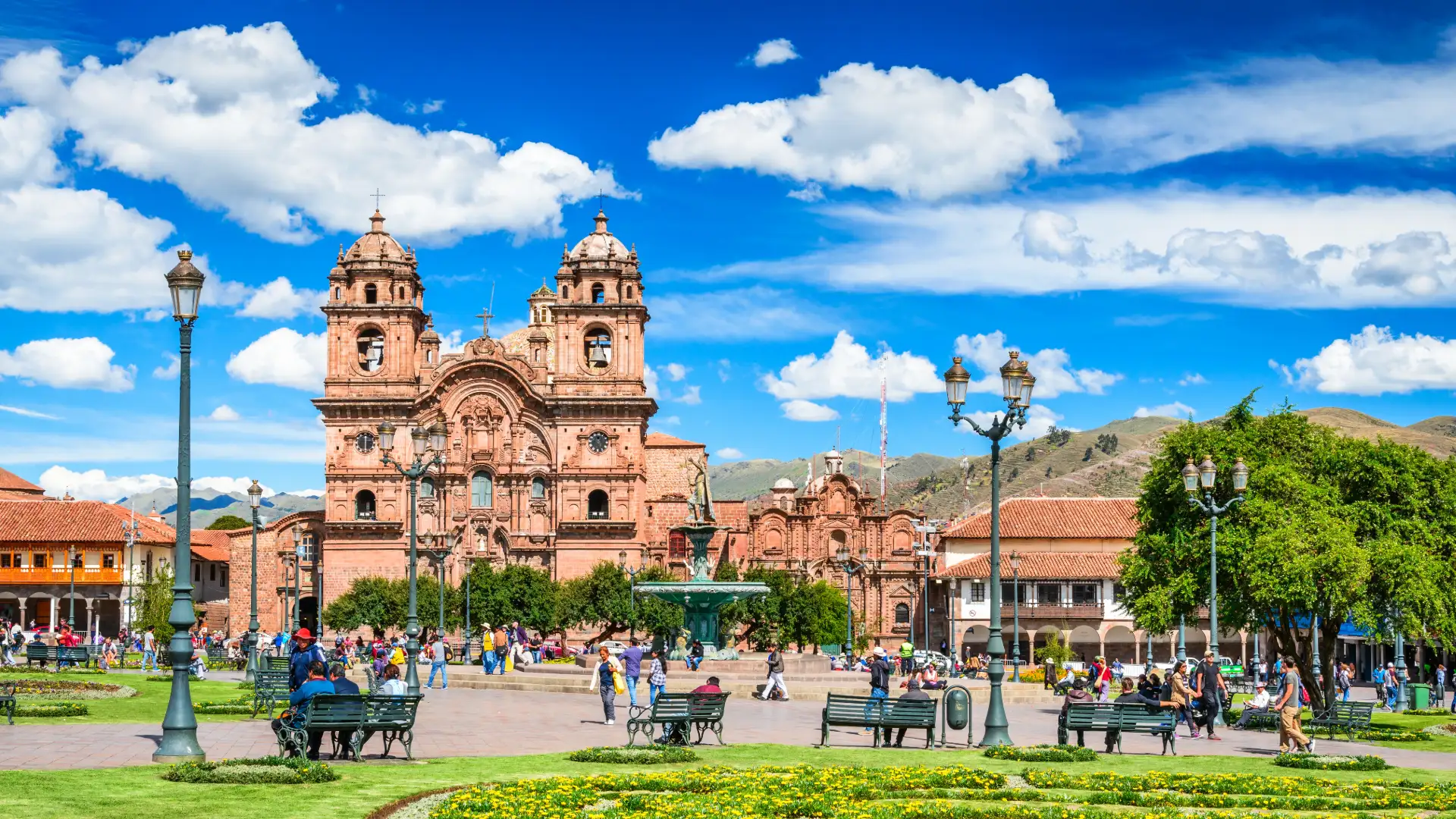
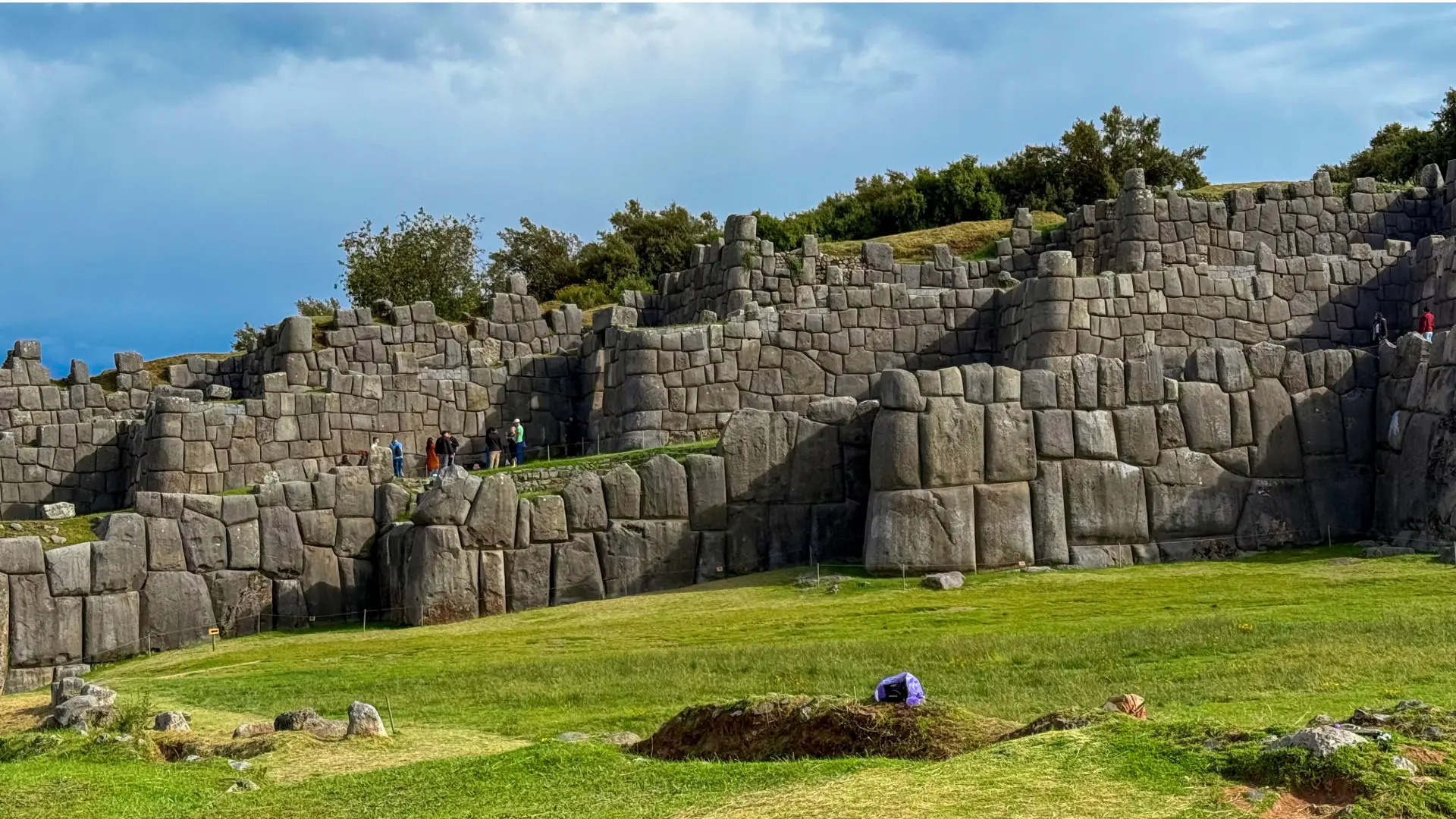
Table of Contents

Plaza de Armas: The Vibrant Heart of the City

The Plaza de Armas of Cusco constitutes the ideal starting point for any adventure within this Cusco Travel Guide. This historic space occupies the exact spot where the Incas celebrated Inti Raymi and other sacred ceremonies. Currently, beautiful colonial churches and stone arches surround the plaza, creating an architectural contrast unique in the world. Without a doubt, sitting on its benches to observe the rhythm of the city is a mandatory activity for every visitor.

Furthermore, the plaza houses the impressive Cusco Cathedral, a masterpiece of Andean Baroque art. Inside, you can admire paintings from the famous Cusco School, which blend Catholic symbolism with indigenous elements. Therefore, we recommend visiting this place during sunset when the city lights begin to illuminate the surrounding mountains. It is the perfect moment to capture spectacular photographs and feel the essence of the Imperial City.

Highlights of the Plaza de Armas:

  • The Cusco Cathedral: Explore its silver altars and the famous “Last Supper” painting featuring a guinea pig.
  • Church of the Society of Jesus: Admire one of the most beautiful Baroque facades in the Americas.
  • Colonial Portals: Find handicraft shops, balcony cafes, and restaurants serving local food.
  • The Central Fountain: An iconic meeting point crowned by the statue of the Inca Pachacútec.
  • Cultural Events: Enjoy parades and folk dances that frequently occur in this historic space.

Sacsayhuamán: Fortress of Giants and Sacred Stones

Sacsayhuamán represents one of the most astonishing achievements of Inca engineering and an essential stop in our Cusco Travel Guide. This immense fortress is located on a hill overlooking the entire city, offering an unparalleled panoramic view. Most impressively, its zigzagging walls consist of stones weighing more than 100 tons. It is incredible to notice that these rocks fit with millimeter precision without the use of any mortar.

On the other hand, Sacsayhuamán was not just a military site; it also served as an important ceremonial center. Every June 24th, this location becomes the main stage for the Inti Raymi or Festival of the Sun. For this reason, walking among its massive stone blocks allows you to connect with the power and vision of the Inca Empire. At Apupath Expeditions, we recommend dedicating at least a full morning to explore every corner of this archaeological complex.

Key Experiences at Sacsayhuamán:

  • The Zigzag Walls: Observe the monumental scale of the stones representing lightning or the god Illapa.
  • The Cusco Viewpoint: Get the best view of the city’s red roofs and the snow-capped mountains in the background.
  • The Rock Slides (Suchuna): Slide down the natural rock formations that serve as ancient slides.
  • The Inca’s Throne: Discover the carved structures where the nobility once observed sacred ceremonies.
  • Hike from San Blas: Walk up from the city to acclimatize your body while enjoying the fresh mountain air.

San Blas Neighborhood: The Artisans' Corner

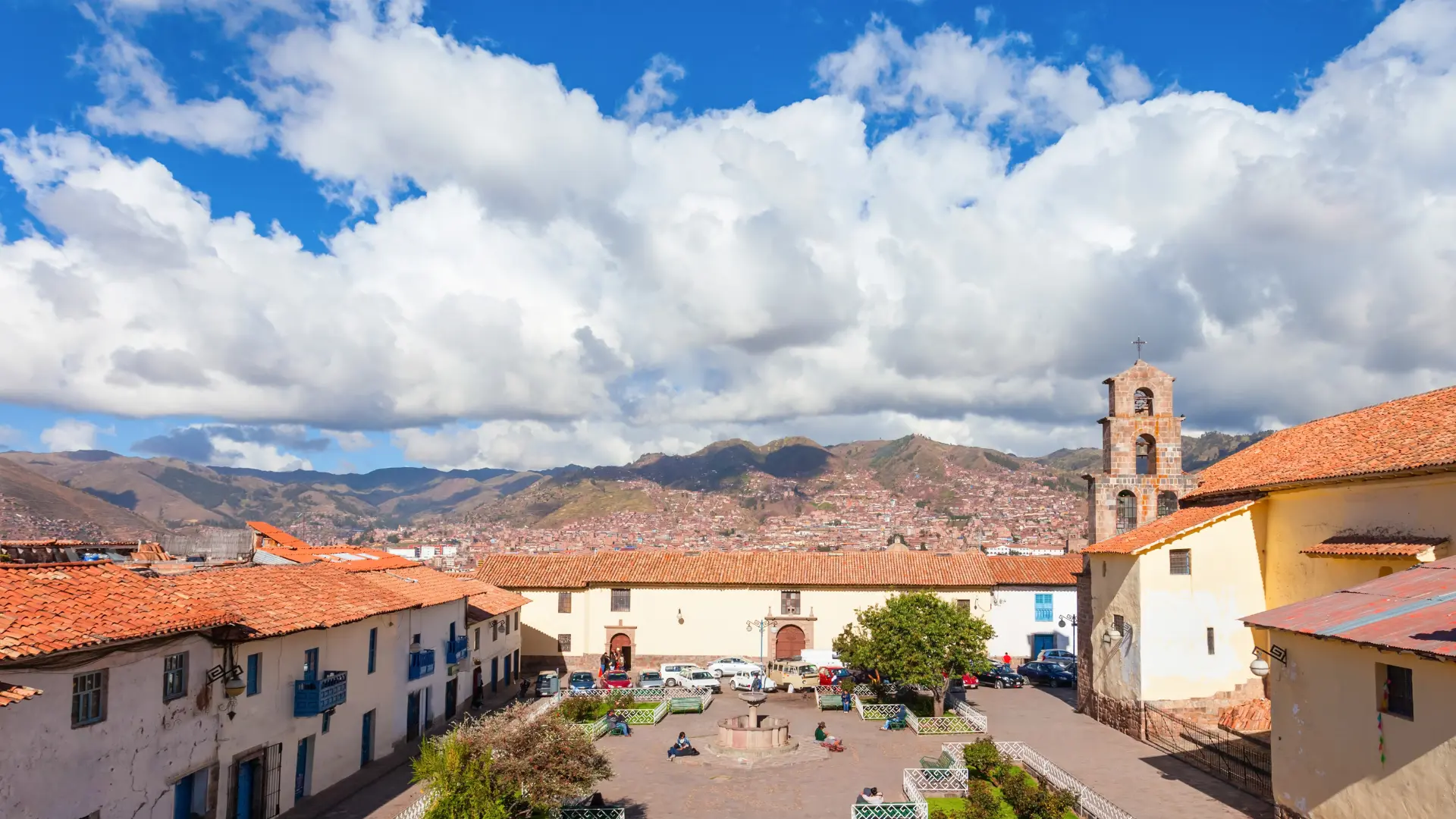
San Blas is, without a doubt, the most charming and picturesque neighborhood mentioned in this Cusco Travel Guide. Known as the “Artisans’ Quarter,” this place features narrow streets, white walls, and blue doors. As you climb its steep hills, you will find numerous workshops where master craftsmen continue centuries-old traditions of carving and ceramics. Consequently, it is the perfect site for those seeking a bohemian and creative experience.

In addition to its art, San Blas offers a peaceful atmosphere far from the bustle of the main square. Here, boutique cafes, independent art galleries, and small plazas abound. Therefore, walking aimlessly through its alleys is the best way to discover its secrets. Upon reaching the upper part, you can enjoy one of the best sunsets in the entire Andean region, surrounded by live music and great food.

What to See and Do in San Blas:

  • The 12-Angled Stone: Find it on Hatun Rumiyoc Street during your ascent toward the neighborhood.
  • San Blas Plaza: Visit the artisan market that sets up on weekends.
  • Mendívil Family Workshops: Admire the famous sculptures of angels and virgins with long necks.
  • San Blas Temple: Observe the carved wooden pulpit, considered a jewel of colonial woodcarving.
  • Hidden Viewpoints: Find small cafes with balconies that offer incredible views of the city lit up at night.

San Pedro Market: An Explosion of Color and Flavor

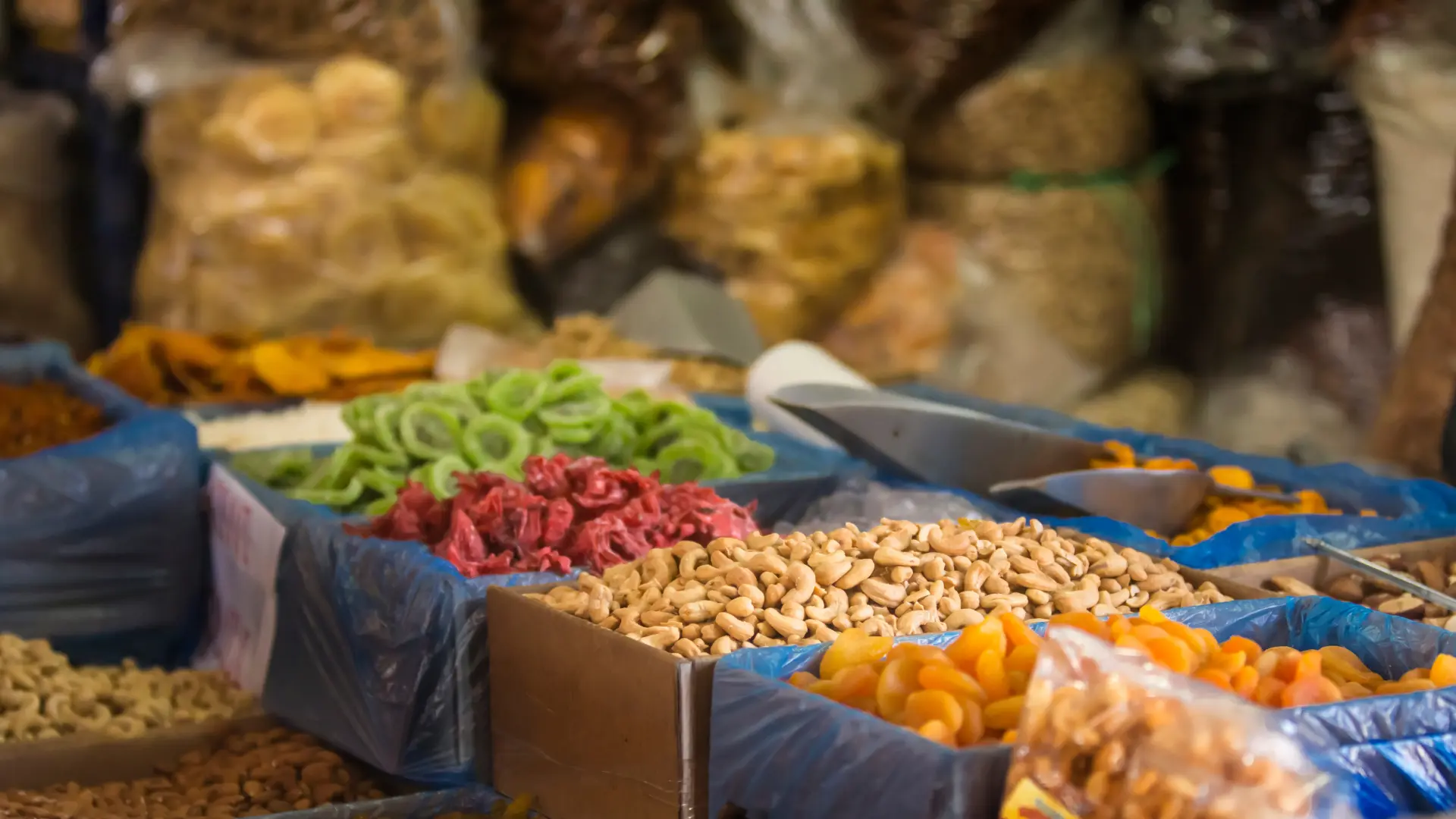
To experience local culture directly, the San Pedro Market is a mandatory stop in our Cusco Travel Guide. This central market, designed by the famous Gustave Eiffel, is where locals buy their daily food. Upon entering, a heady mix of aromas will greet you: from medicinal herbs to freshly baked bread. Therefore, it is the ideal place to taste authentic gastronomy at very affordable prices.

Likewise, the market is a visual feast where you will see mountains of Andean grains, infinite varieties of potatoes, and colorful jungle fruits. You can sit at one of the stalls to try a chicken broth or an exotic fruit extract prepared on the spot. At Apupath Expeditions, we always suggest this place to our travelers so they can observe the real connection between the countryside and the city. It is, essentially, the social and commercial soul of Cusco.

San Pedro Market Essentials:

  • Juice Section: Choose your favorite fruits and enjoy a giant, nutritious juice.
  • Pan Chuta Stalls: Try the traditional bread of the region, famous for its large size and sweet flavor.
  • The Cheese Aisle: Discover various types of Andean cheese brought from the high provinces.
  • Traditional Food: Dare to try “Salchipapa” or a “Lomo Saltado” prepared market-style.
  • Souvenirs and Textiles: Find a wide variety of handicrafts and alpaca wool clothing at local market prices.

Practical Tips: Health and Transportation in Cusco

Traveling to a high-altitude city requires some prior preparation to avoid inconveniences. In this Cusco Travel Guide, we strongly recommend taking the first day very slowly to acclimatize. Altitude sickness, or “soroche,” can affect anyone regardless of their physical condition. For this reason, drinking coca tea and staying well-hydrated are vital tips that every Apupath Expeditions guide will constantly remind you of.

Regarding transportation, you can explore most of the historic center’s attractions on foot. However, for longer distances or to reach the viewpoints, taxis are an economical and safe option. Always make sure to agree on the price before getting into the vehicle, as they do not use taximeters. Finally, remember to dress in layers; the weather in Cusco can change from bright sunshine to cool rain in a matter of minutes.

Golden Tips for Your Trip:

  • Acclimatization: Avoid alcohol and heavy meals during your first 24 hours in the city.
  • Proper Clothing: Always carry a waterproof jacket, sunscreen, and a hat.
  • Local Currency: Although many places accept cards, always carry soles in cash for markets and taxis.
  • Bottled Water: Do not drink tap water; always opt for mineral or filtered water.
  • Transport Apps: Use reliable apps to move around with greater security during the night.

Conclusion

Cusco is much more than a tourist destination; it is an experience that resonates in the soul of those who visit. Whether exploring the imposing Inca ruins or enjoying a coffee in San Blas, the Imperial City always has something new to offer. We hope this Cusco Travel Guide serves as inspiration for planning your next journey with us.

At Apupath Expeditions, our mission is to connect you with the true essence of the Andes. We are ready to guide you through every step of your expedition, ensuring safety, knowledge, and unforgettable moments.

Are you ready to discover the magic of the Incas? Book your next expedition with Apupath Expeditions today and live the adventure of a lifetime!

FAQ - Cusco Travel Guide

What is the best time of year to visit Cusco?

The dry season, from May to September, offers the clearest skies and best trekking conditions. On the other hand, the rainy season from November to March features lush green landscapes and has fewer tourist crowds.

How can I prevent altitude sickness (soroche)?

We recommend resting for at least 24 hours upon your arrival. Furthermore, drinking plenty of coca tea and staying hydrated with mineral water will help your body adjust better to the city’s high elevation.

Is Cusco safe for international travelers?

Yes, Cusco is generally very safe for tourists. However, you should stay aware of your surroundings and always use official transportation services, especially when moving around during the night.

Should I book my tours with Apupath Expeditions in advance?

Absolutely. The most popular treks and tours often sell out months in advance due to government permit limits. Therefore, booking early guarantees your spot and allows us to organize the perfect itinerary for you.

What is the official currency used in Cusco?

The official currency is the Peruvian Sol (PEN). Although many large establishments accept credit cards, we suggest carrying cash for smaller purchases in local markets and for paying taxi drivers.

Is it safe to drink tap water in the city?

No, you should never drink tap water directly. Instead, always choose bottled mineral water or use a reliable purification system to stay healthy and avoid stomach issues during your trip.

Shared Blog Post

Hi! How can we help you? 😊