Inca Trail 4 Days Travel Information
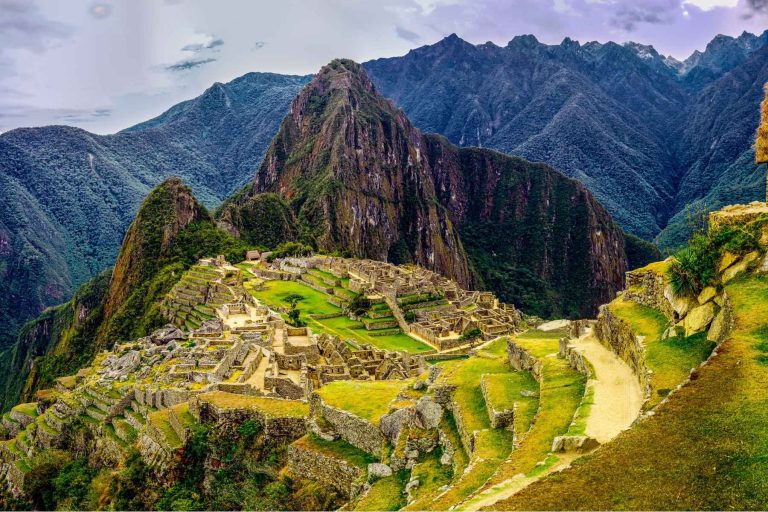
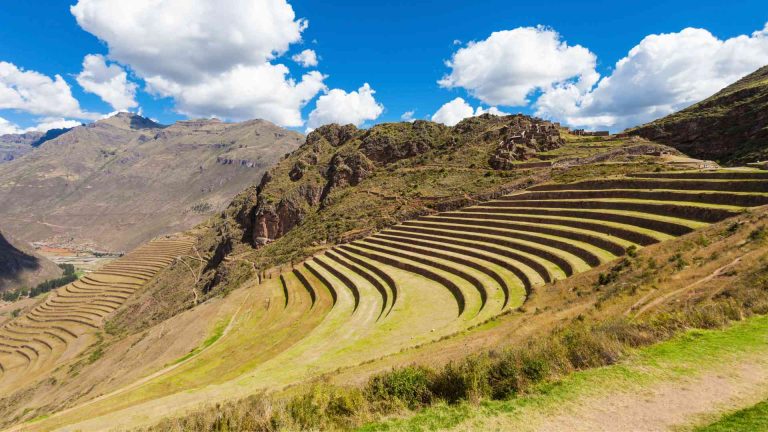
The Classic Inca Trail 4 Days is one of the most famous trekking experiences in the world and one of the most iconic ways to reach Machu Picchu. This historic route follows original sections of the ancient Inca road network while crossing mountain passes, cloud forests, valleys, and archaeological sites hidden deep within the Andes.
Unlike other trekking routes, the Inca Trail offers the unique experience of entering Machu Picchu through the Sun Gate, just as the Incas did centuries ago. Along the journey, travelers combine hiking, history, culture, and breathtaking natural scenery while exploring one of Peru’s most protected trekking routes.
Because access to the Inca Trail is regulated by the Peruvian government, permits are limited and usually sell out months in advance, especially during the high travel season.
Altitude Information
The Inca Trail passes through different altitude zones, including high mountain passes and lower cloud forest areas. Proper acclimatization before starting the trek is extremely important to help your body adapt to the elevation.
Travelers are strongly advised to spend at least 2 or 3 days in Cusco before beginning the trek.
Approximate Elevations
- Cusco: 3,399 m / 11,152 ft
- Km 82 Trailhead: 2,720 m / 8,923 ft
- Wayllabamba: 3,000 m / 9,842 ft
- Dead Woman’s Pass: 4,215 m / 13,828 ft
- Pacaymayo: 3,600 m / 11,811 ft
- Wiñay Wayna: 2,650 m / 8,694 ft
- Machu Picchu: 2,430 m / 7,972 ft
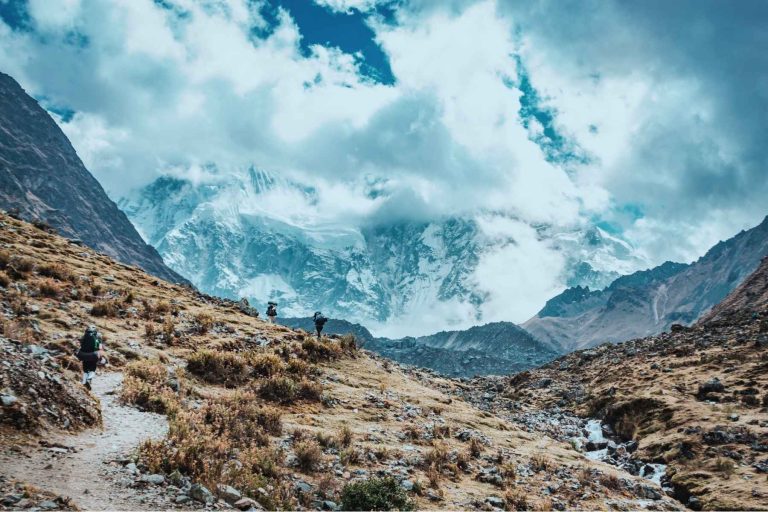
Some hikers may experience mild altitude sickness symptoms such as headaches, fatigue, or shortness of breath, especially on the second day when crossing Dead Woman’s Pass, the highest point of the trek.
Weather and Climate
The weather along the Inca Trail can vary significantly depending on altitude and season. Travelers pass through cold mountain environments and humid cloud forest regions during the four-day trek.
Dry Season (May to September)
- Clear skies and excellent mountain views
- Cold nights at campsites
- Ideal trekking conditions
- Peak tourist season with high demand for permits
Rainy Season (November to March)
- Frequent rain showers and muddy trails
- Lush green landscapes and vegetation
- Cloudier weather conditions
- More humid conditions throughout the route
Average Temperatures
- High-altitude areas: 0°C to 15°C (32°F to 59°F)
- Cloud forest areas: 12°C to 24°C (54°F to 75°F)
Layered clothing is highly recommended because temperatures can change quickly throughout the day.
What to Bring
Proper preparation is essential for enjoying the Inca Trail comfortably. Since this is a multi-day hike through different climates, packing the right gear can make a big difference during the experience.
- Comfortable trekking boots with ankle support
- Warm clothing for cold nights
- Waterproof jacket or rain poncho
- Sleeping bag suitable for mountain temperatures
- Hat, sunglasses, and sunscreen
- Reusable water bottle or hydration system
- Trekking poles
- Flashlight or headlamp
- Personal medications and blister care supplies
- Insect repellent
- Small backpack for daily essentials
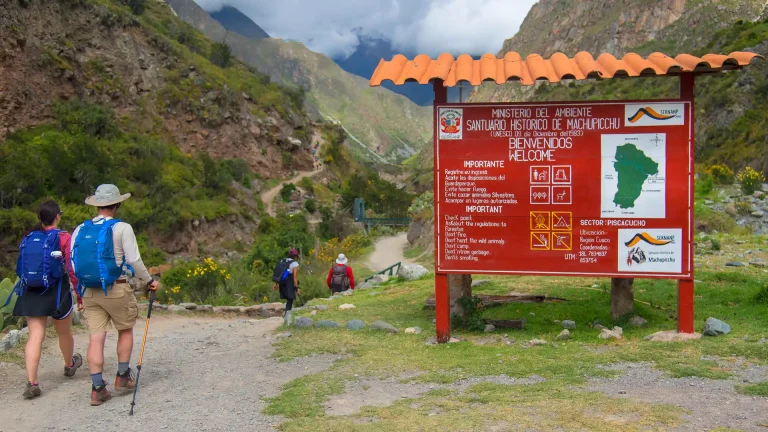
- Passport for Inca Trail checkpoint verification
Physical Difficulty
The Classic Inca Trail is considered a moderate to challenging trek due to the altitude, steep stone stairways, and multi-day hiking distances.
Day 2 is usually the most demanding part of the trek because hikers cross Dead Woman’s Pass at over 4,200 meters above sea level. However, many travelers successfully complete the route every year with proper preparation and pacing.
Regular walking, cardio exercise, or hiking before the trip can help improve endurance and overall comfort during the trek.
Camping Experience
The Inca Trail includes camping in designated campsites located along the historic route. Each campsite offers a different atmosphere, surrounded by mountains, valleys, or cloud forest landscapes.
Camping equipment is usually provided by the trekking operator, while trekking staff and cooks assist with camp organization and meal preparation throughout the experience.
Sleeping under the stars in the Andes is considered one of the most memorable parts of the journey.
About the Inca Trail
The Inca Trail was part of the vast road network built by the Inca civilization centuries ago. The route connected important cities, ceremonial centers, and regions across the Andes.
Today, the Classic Inca Trail is protected as part of the Historic Sanctuary of Machu Picchu and remains one of the few trekking routes in the world that combines archaeology, history, and nature in such a unique way.
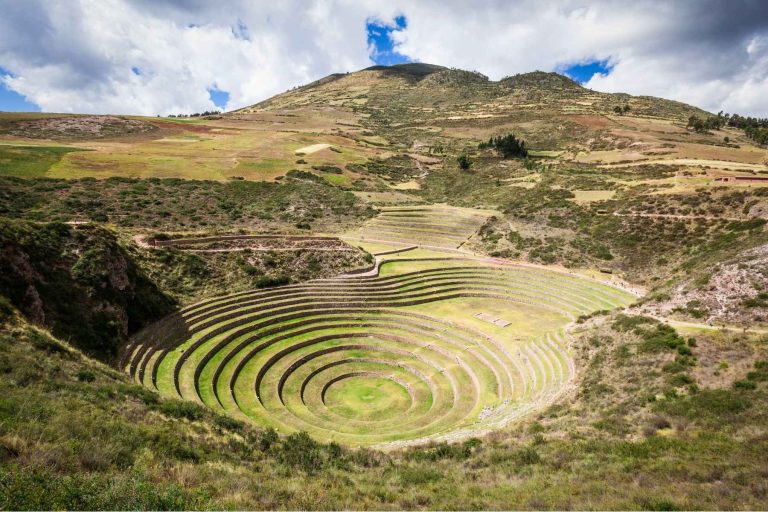
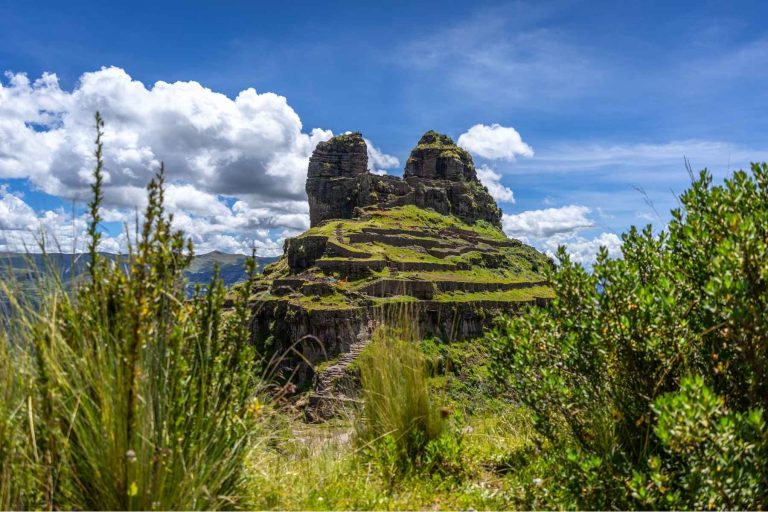
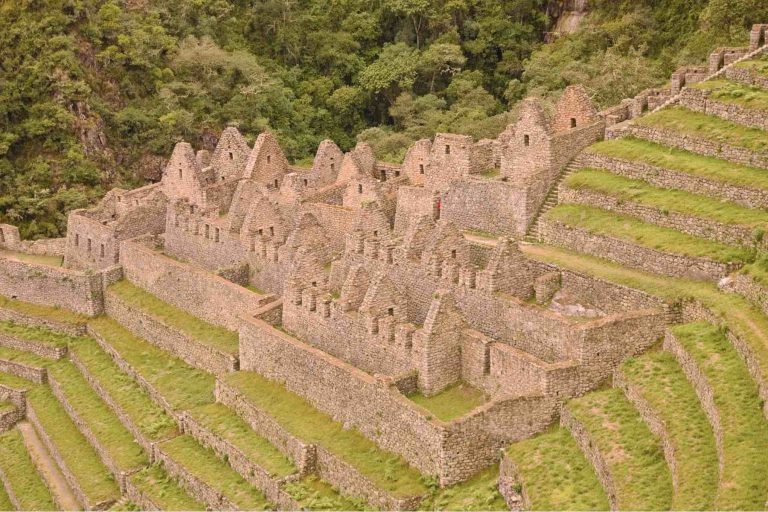
Along the trail, hikers visit archaeological sites that can only be reached on foot, including Wiñay Wayna, Sayacmarca, and Phuyupatamarca.
Food and Meals During the Trek
Meals are included throughout the trek and are prepared fresh by the trekking cook and support staff. Travelers can expect soups, rice, vegetables, pasta, chicken, tea, snacks, and traditional Peruvian dishes during the journey.
Vegetarian and special dietary requests are often available if arranged before the trek begins.
Eating properly and staying hydrated are essential for maintaining energy at high altitude.
Photography Opportunities
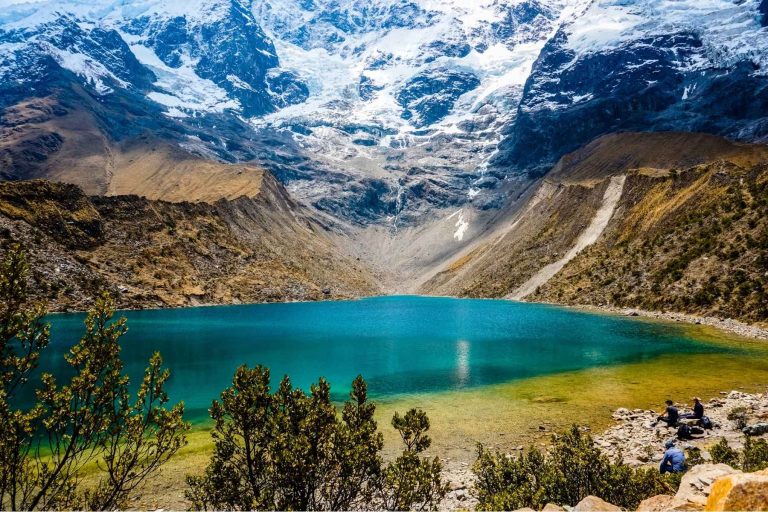
The Inca Trail offers incredible photography opportunities every day of the trek. Travelers can capture mountain landscapes, cloud forests, original Inca stone paths, archaeological ruins, and the famous sunrise views from the Sun Gate overlooking Machu Picchu.
Many hikers consider the arrival through the Sun Gate one of the most rewarding and emotional moments of the entire experience.
Important Travel Tips
- Book your Inca Trail permit several months in advance
- Spend at least 2 or 3 days acclimatizing in Cusco before the trek
- Train physically before your trip if possible
- Pack light but bring essential warm clothing
- Carry your original passport during the trek
- Stay hydrated throughout the route
- Use sunscreen even on cloudy days
- Respect archaeological sites and park regulations